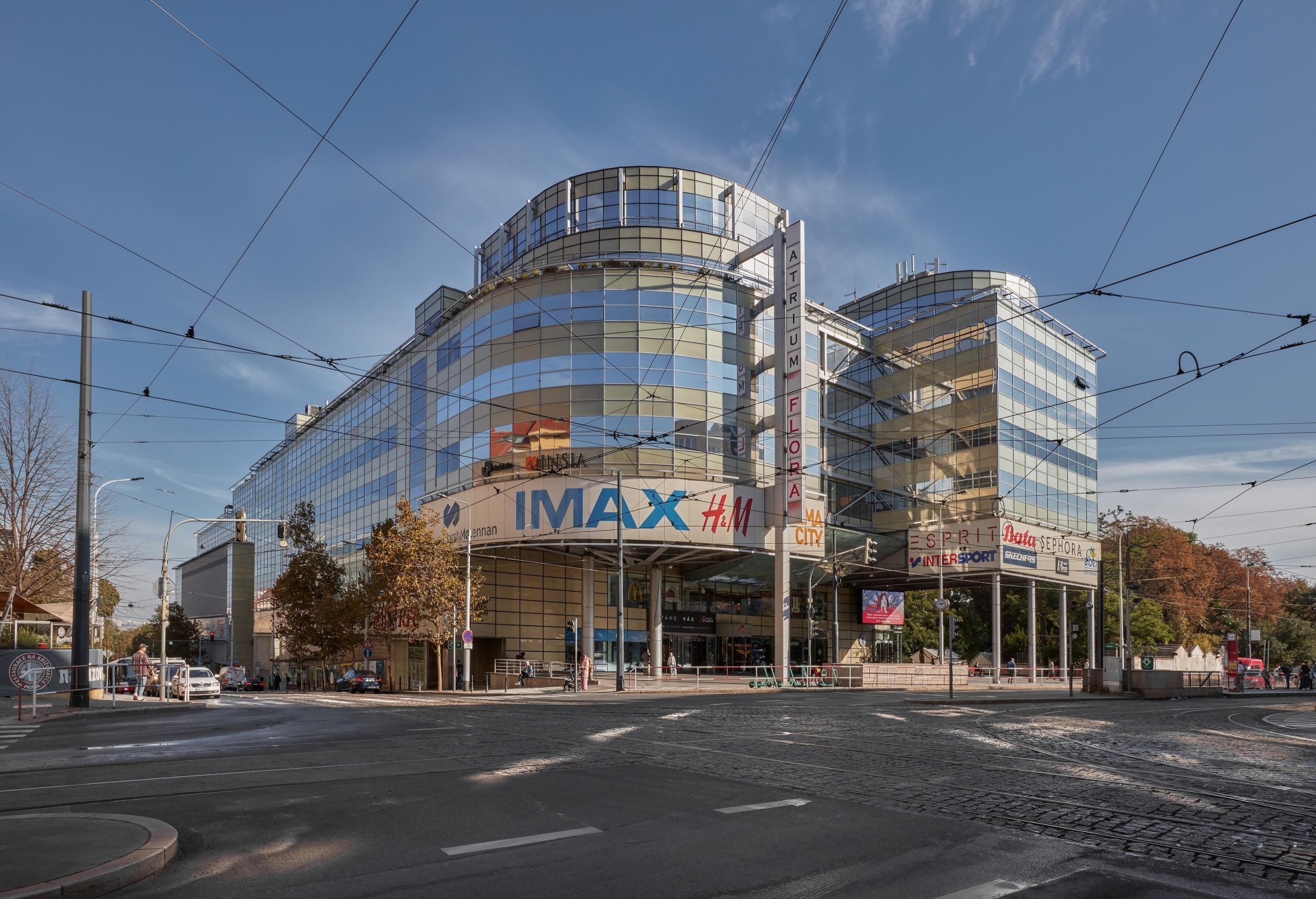
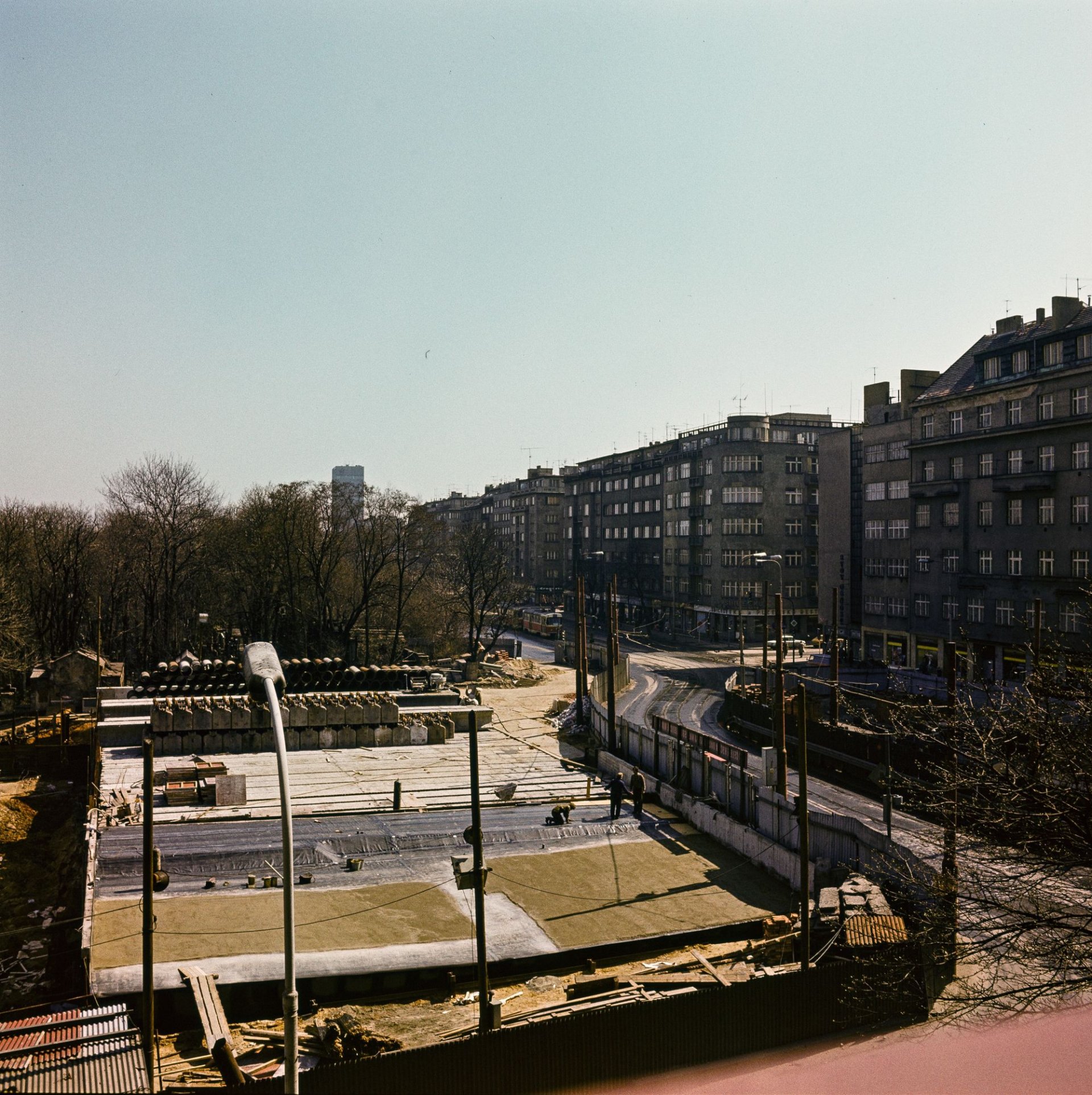
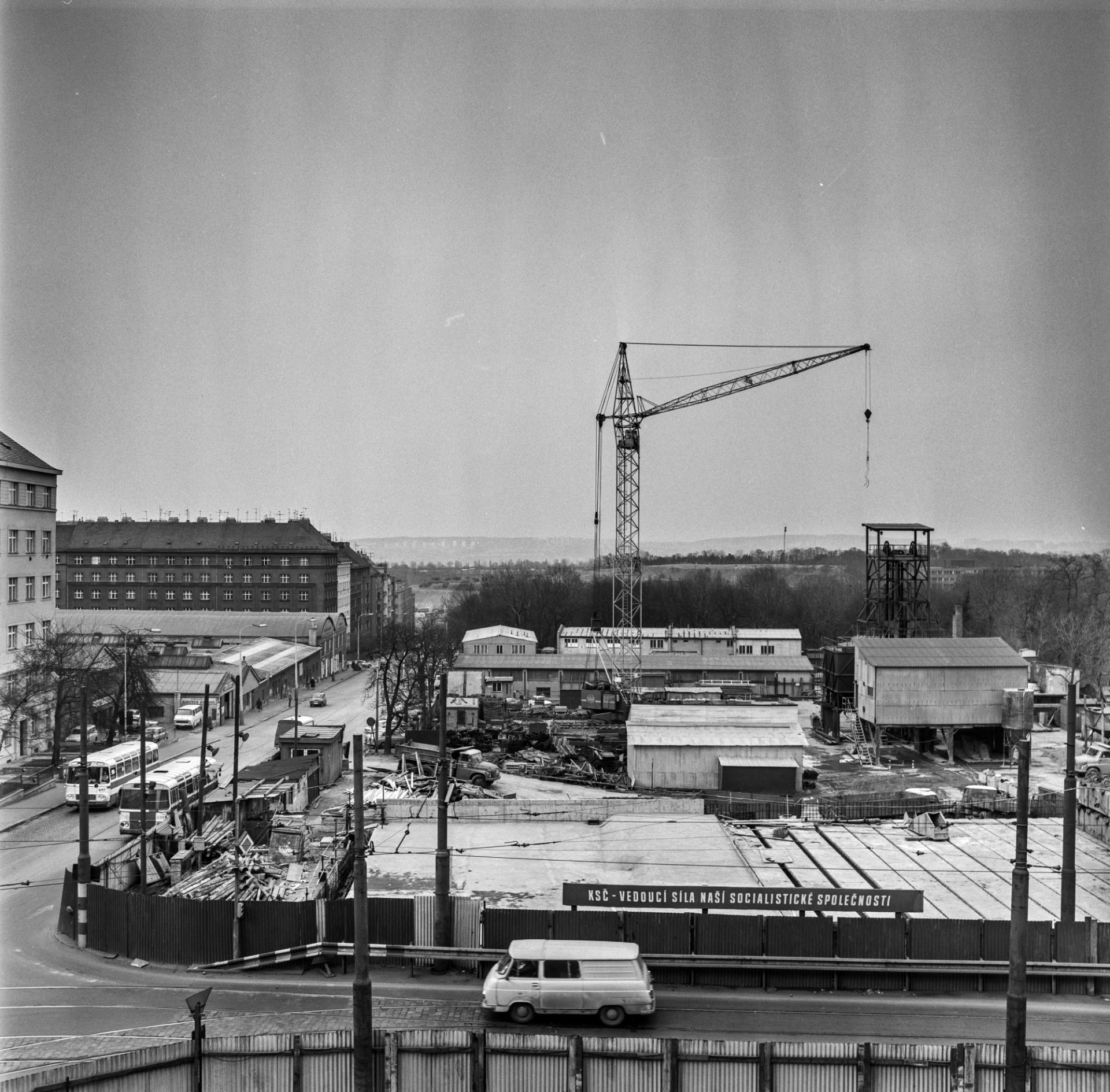
“The parcel sat at the corner of the Olšany Cemeteries and Vinohradská, Prague 3. This was not an abandoned site but an open corner of the city waiting for an anchor. A competition, sponsored by the developer Africa-Israel in cooperation with the City of Prague, was won by a local Czech architect, Petr Franta, who had a small office with no experience at large mixed-use modern buildings. Among the many challenges in this complex project was how to connect the metro that stopped at the corner and build next to an active cemetery. Franz Kafka is buried in that cemetery.”
“Take the competition scheme and turn it into a buildable project with a set of plans that could be estimated and contracted without risking cost overruns due to errors and omissions. Working with a small group of architects and engineers with little experience providing the sophisticated retail layout, curtain-wall system, mechanical, electrical, plumbing and emergency systems to serve a public facility with many entrances and circulation requirements, in a cost-effective structural design, was no easy task.”
“120-unit shopping arcade spread over four retail floors, occupying roughly the area of two city blocks, with four levels of underground parking beneath and a two-story office component above. The arcade connects directly down into the Flora metro station on Line A. Located at the top of the mall was Cinema City's multiplex and an IMAX — the first, and still the largest, in the Czech Republic, with a 25-metre screen — alongside a food court. The combination of shopping and entertainment made Palác Flóra a destination, not just a mall.”
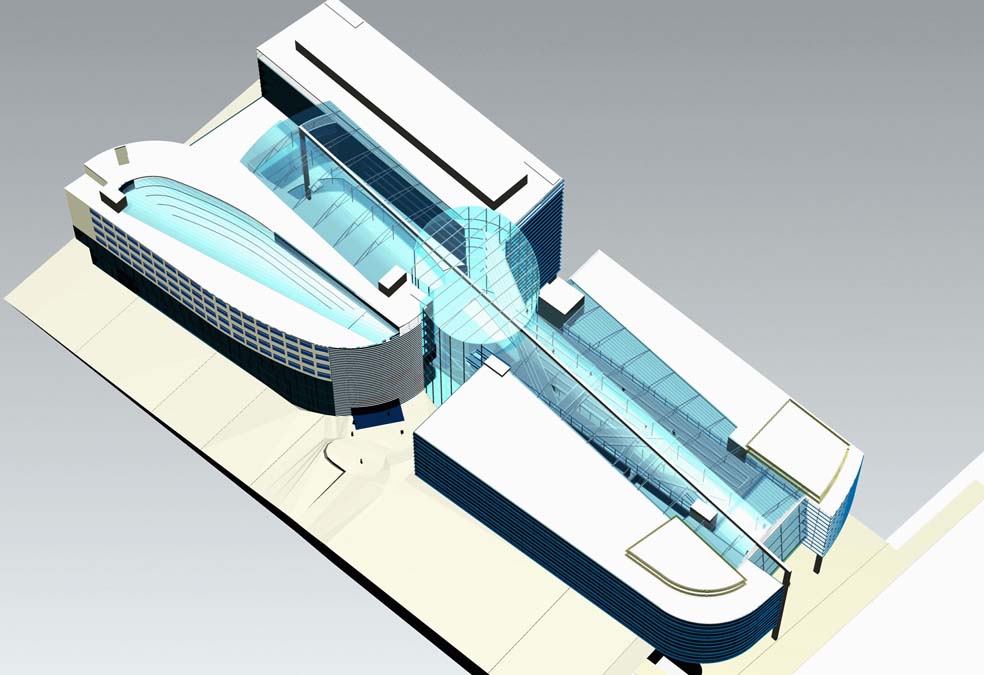
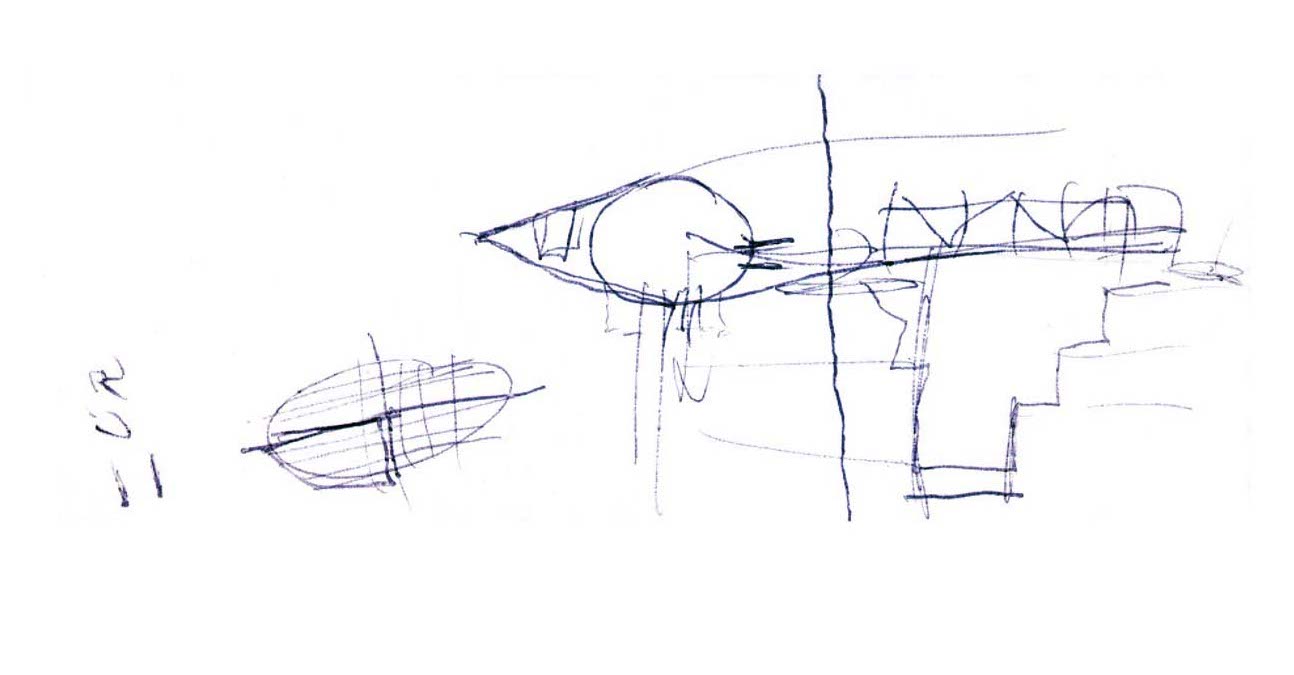
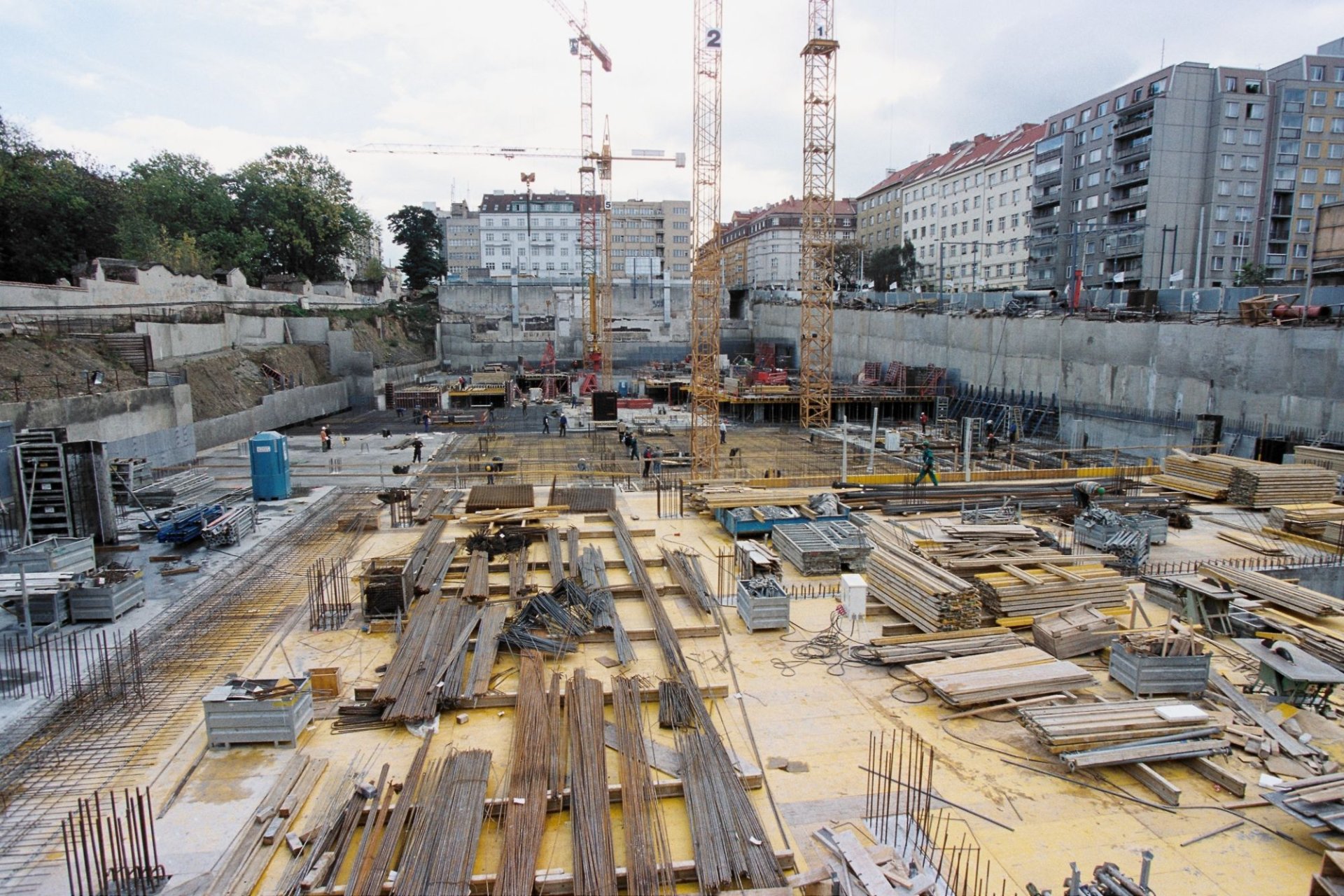
“It was a complicated site — sloping two and a half storeys from the corner entrance down to the bottom, with a cemetery on the east and north sides. You had to anchor the retaining walls and the building's structure into the cemetery property, with all the asymmetrical loads that created. Then you connected the metro that stopped at the corner, stacked four floors of retail over a basement of parking, put an IMAX and a cinema and a food court at the top, and offices above that. It was a genuinely complex building.”
“I worked out the retail sequencing with Benny Cohen, the general manager of the most luxurious mall in Israel — how to move people past the storefronts, the escalators and the stairs, how to make them travel the longest distance between certain kinds of stores. Most malls have figured that out today; at the time it was sophisticated.”
“When I asked the local team to collect the specs, they handed me a scrapbook — it looked like something a seventh-grader had made, papers and photocopies of different sizes. You can't contract from that. In Europe you bid on bills of quantity, where you itemise literally everything — every cubic metre of concrete, every square metre of drywall by type. I redlined their drawings for the better part of a year to get the project to where we could bid it, and taught them how to sequence and arrange a professional set. The curtain wall, the rotunda and the skylights alone were a six-month bidding process and six months of shop drawings. We bid it around 30 million euros; that building is at least 150 million today.”
“You're not making a drawing — you're making a building. The drawings ARE the building; you have to think of them as the finished product.”
“Palác Flóra opened on March 20, 2003 — the three years of intensively hard work paying off. It was at the time, and remains, one of the most successful mall buildings in Prague and all of the Czech Republic, and became an anchor in the development of Prague 3, which is one of the most robust places to live and work today. I still have a dear friend, the traffic engineer John Henley, who lives two metro stops away. I was excited and proud to be part of the early days of Prague's evolution into a world-class place to live, work and visit.”
The constraint was the site. The build worked around it.
First the open corner at Flora — then the build, five-storey retaining walls anchored into the cemetery property and the metro tied in below.
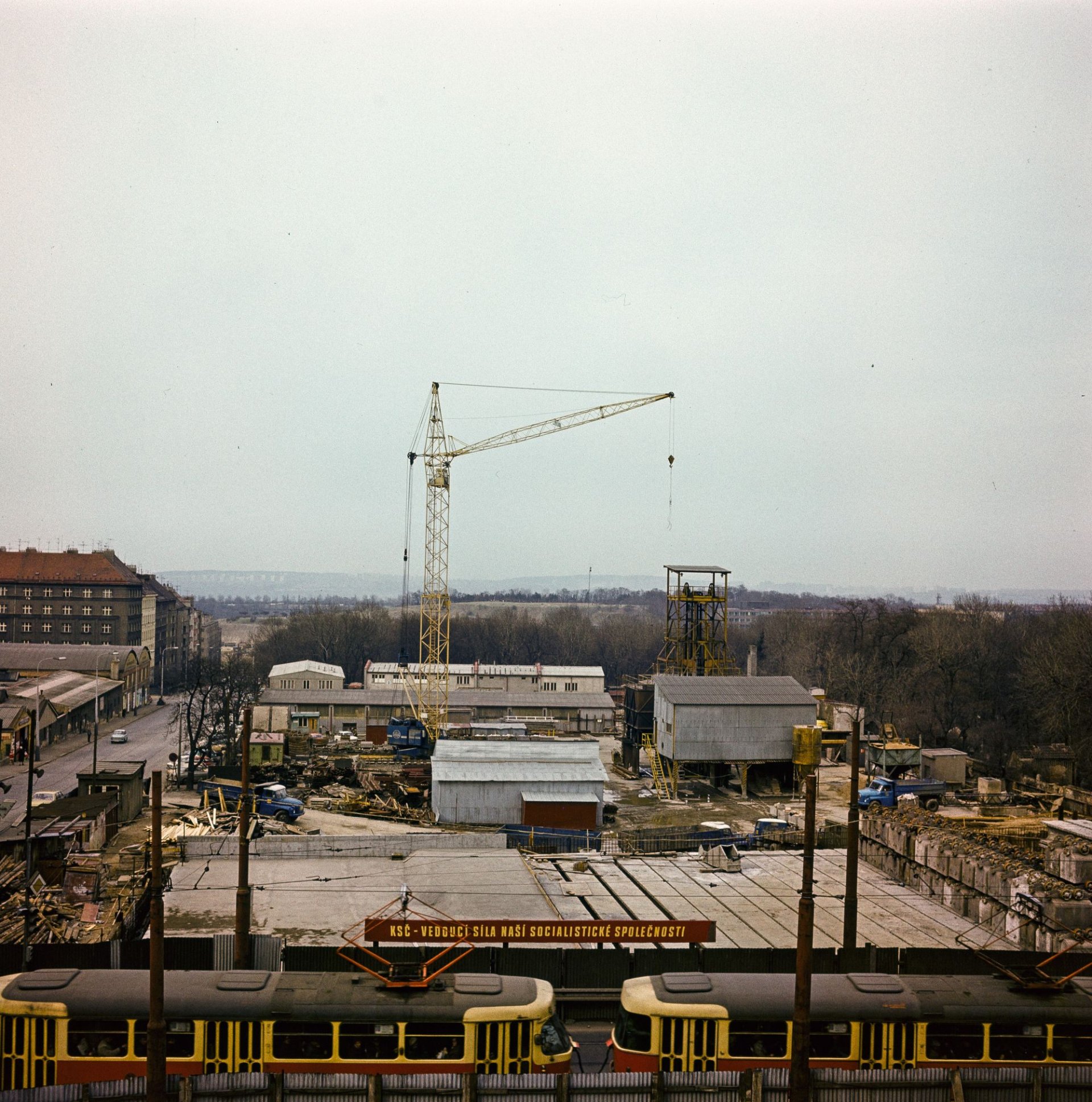
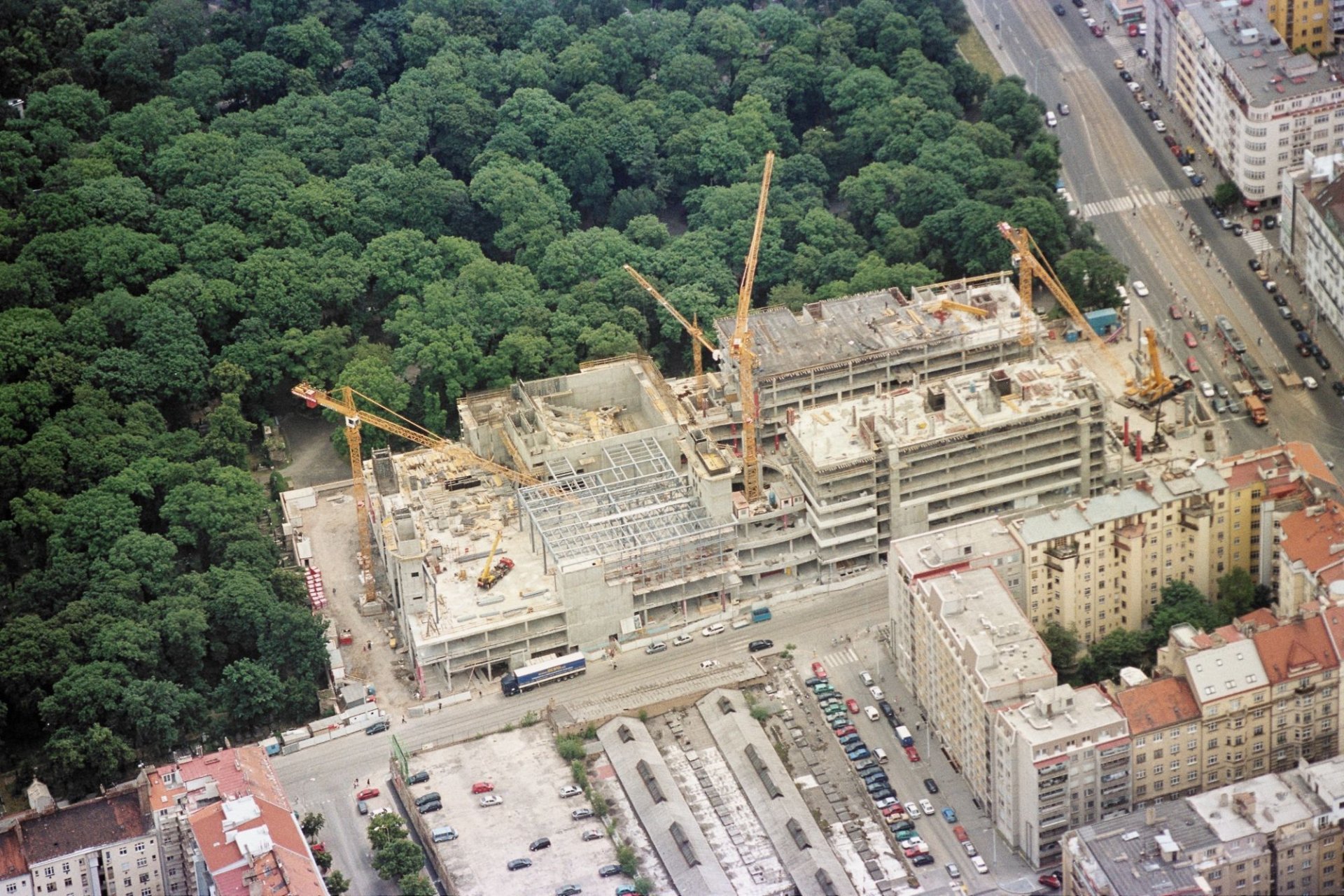
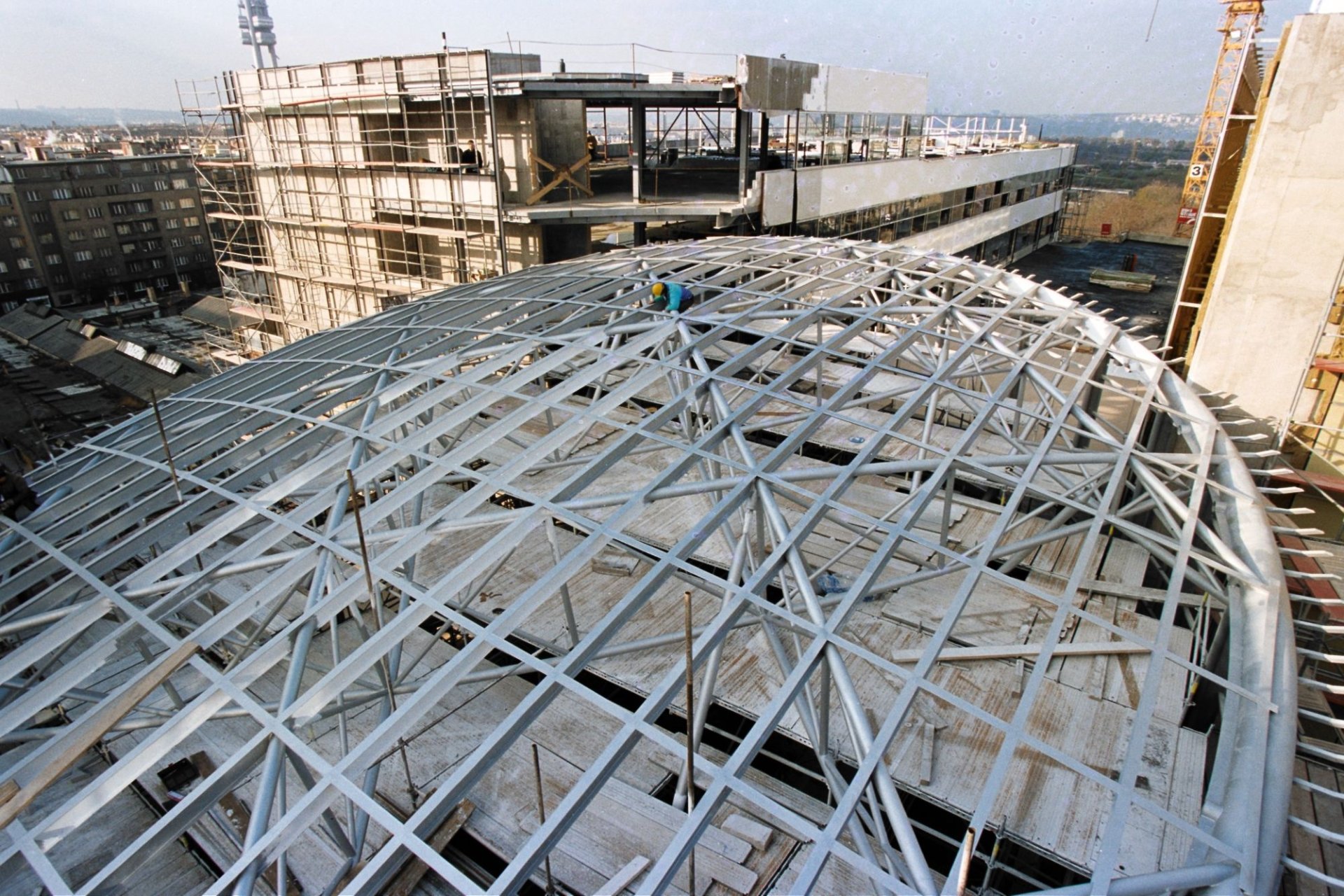
A little-used public park at Flora became one of the most successful malls in the Czech Republic.
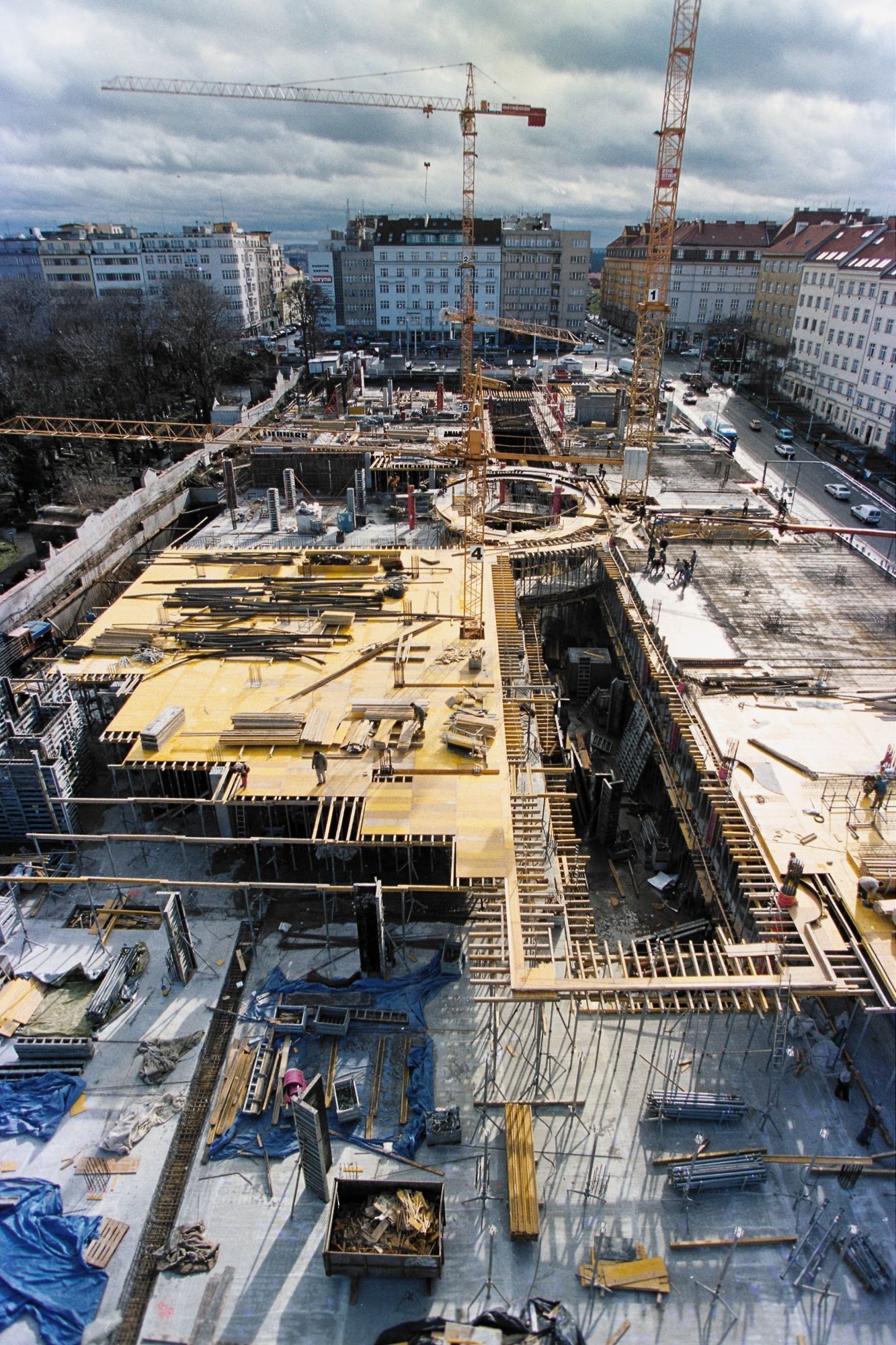
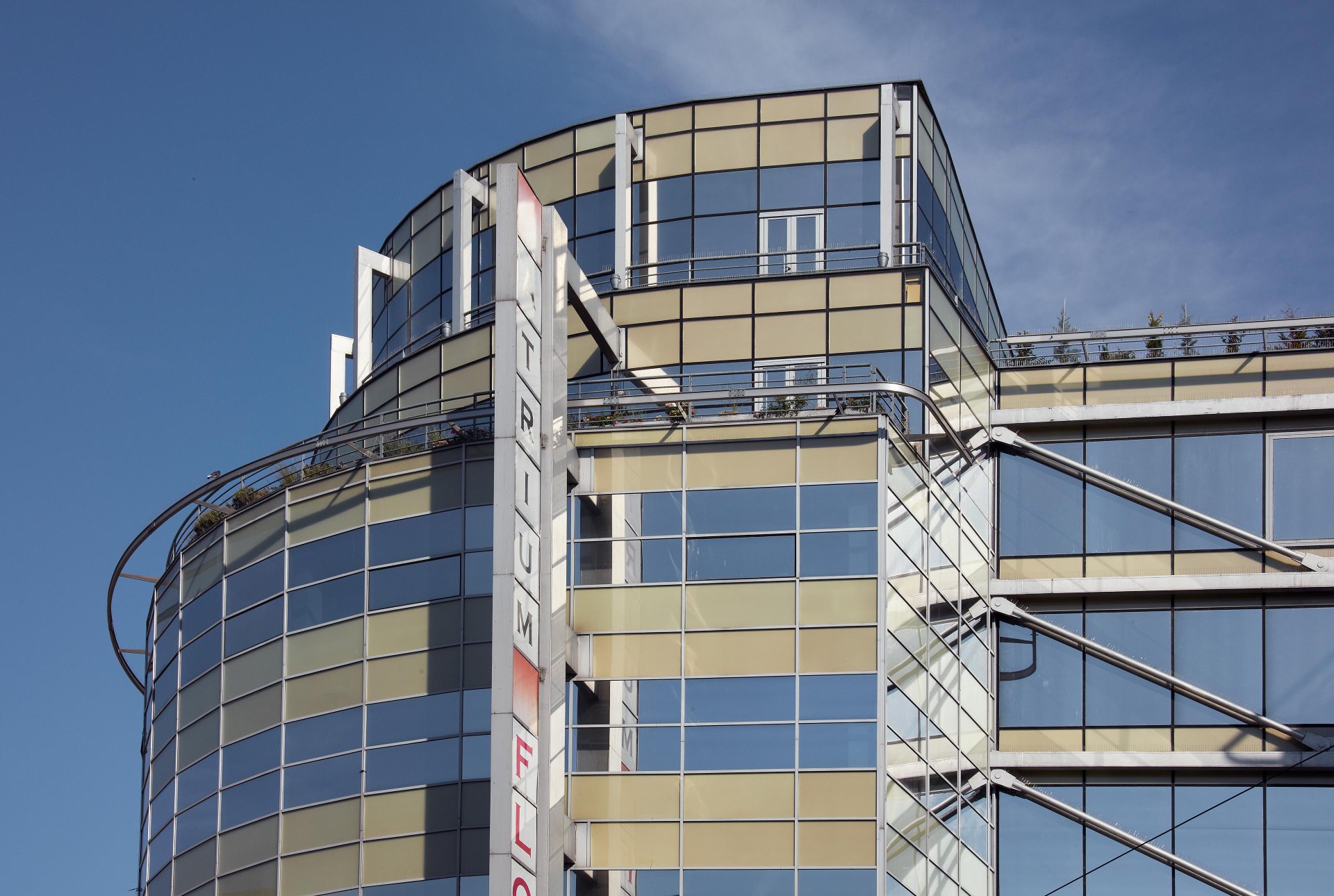
From a little-used public park at the corner of the cemeteries to one of Prague's most successful mixed-use anchors.