← Back to Works
Kyiv, Ukraine · Residential · Ground Up
A 3.96-hectare abandoned industrial and warehouse footprint, ten minutes' drive from the Kyiv centrum. The metro was a ten-minute walk away, with a university campus nearby and a large park just up the block — the setting that would become the 1,200 luxury units of Park Avenue.

“In December 2003 while on holiday in Vienna with my wife I got a call from one of the Holešovice Port partners asking if I would be interested to start a company covering developments in Ukraine, Bulgaria, Latvia and Romania. My first reaction was yes and no. I told him that I wasn't prepared to travel between that many countries with the demands that developing demands. Which he accepted by offering me to focus on Ukraine and Bulgaria.”
“Then in February 2004 I was invited to Kyiv to meet him and to see the sites he was interested in to get my opinion and to discuss the terms for me to set up the local company and become its General Manager. Getting out the car at this abandoned industrial/warehouse site on a cold and gray day in Ukraine in a working class neighborhood at the time, my first reaction was: this is a great location for the project he had in mind. Why? Because it was ten minutes' drive from the centrum, the Maidan, with a metro ten minutes' walk from the site, a university campus nearby and a large park just up the block. It was set up to become the 1,200 luxury units of Park Avenue — the name I gave it.”
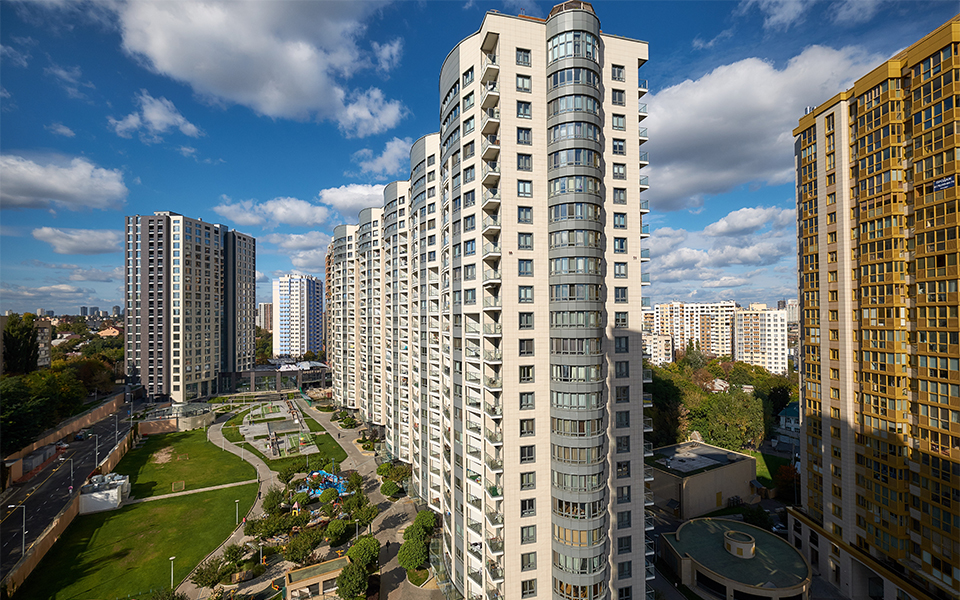
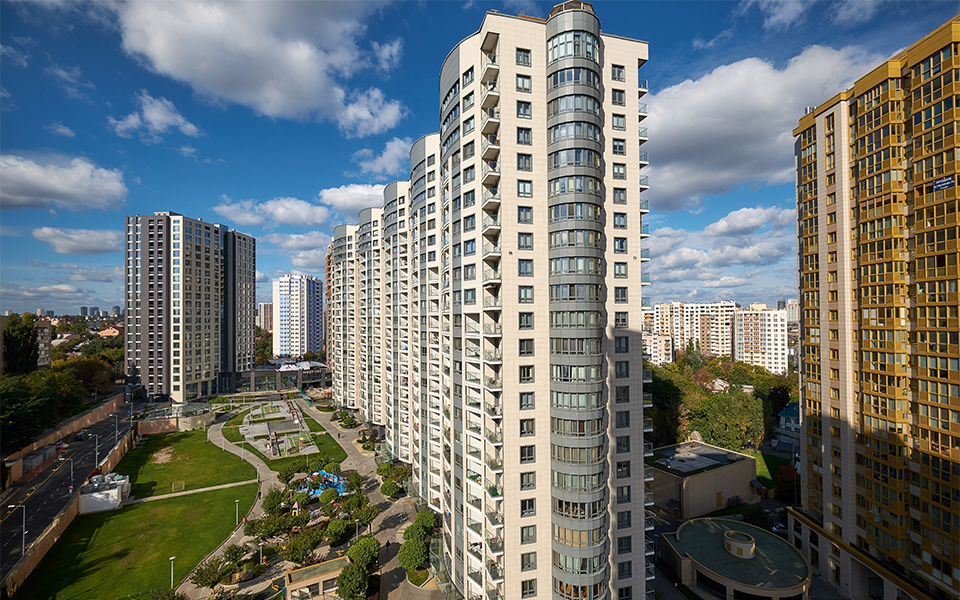
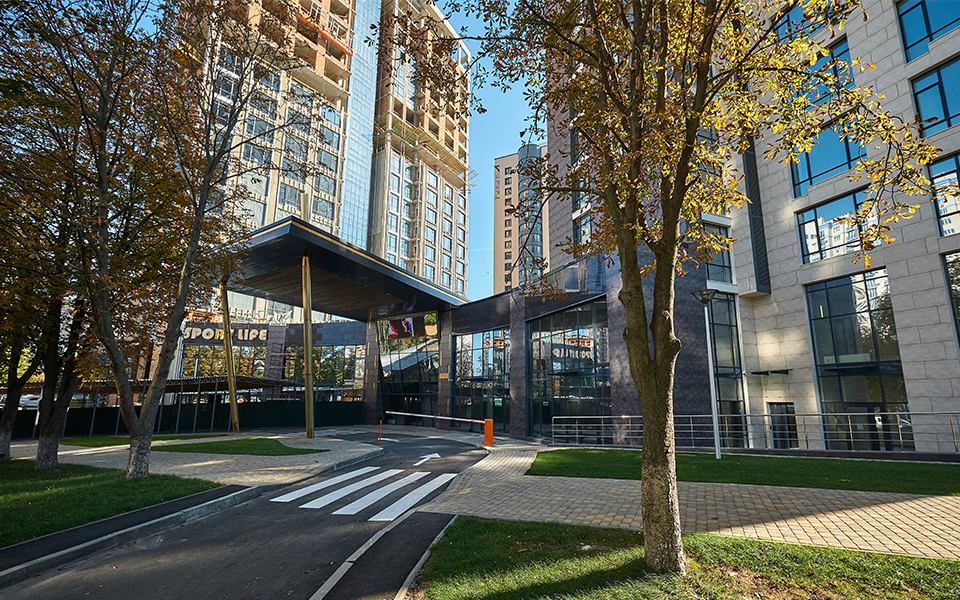
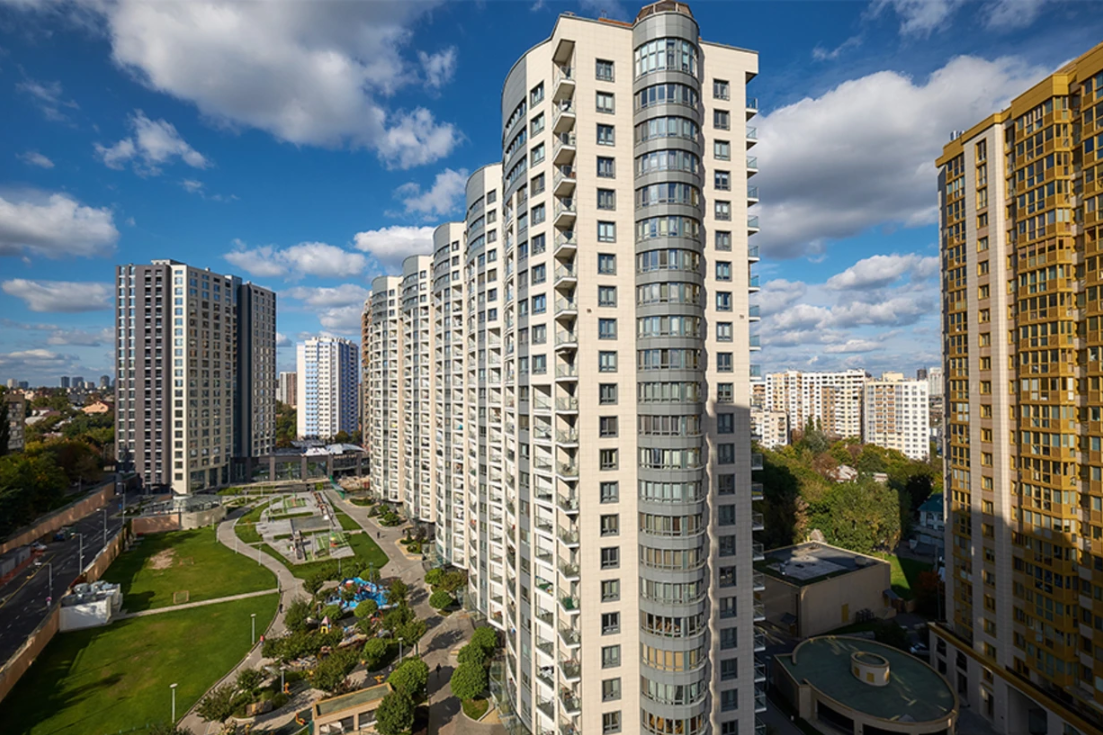
“Kyiv was a different world. Before I got there I imagined Prague just years behind. I was wrong. Czech was a recovering European country that had been subsumed into the Soviet Union. Ukraine, at that time, still operated with a Soviet mentality making the process long and arduous. The starting point for all architectural proposals was approval of the Grad-Soviet, a jury of nine established architects, that had their scheme in mind, not the developer's. We started with a tower-in-the-park scheme — nine separate towers that punctuated the landscape, which made phasing easier and the views from the towers more diverse. The Grad-Soviet was having none of it. They wanted the Soviet wall — the standard housing arrangement throughout the Soviet countries. After two rounds over four months I decided we had to give in, which led me to a fight with our architect Elisha Rubin, for weeks — because he disagreed. Leading me to sketch up the master plan parti I knew would work — the one that now exists on site. In the next round we received tentative approval pending the changes the Grad requested. On the next round we received permission. Eight months in all. Another eighteen months to complete the documentation and obtain the 127 signoffs in the Buildings Department to receive a building permit for Phase One. Eight more months to bid and contract the project. Twenty-six months to build Phase One: 384 units in the first two towers and retail base at the entrance to the site.”
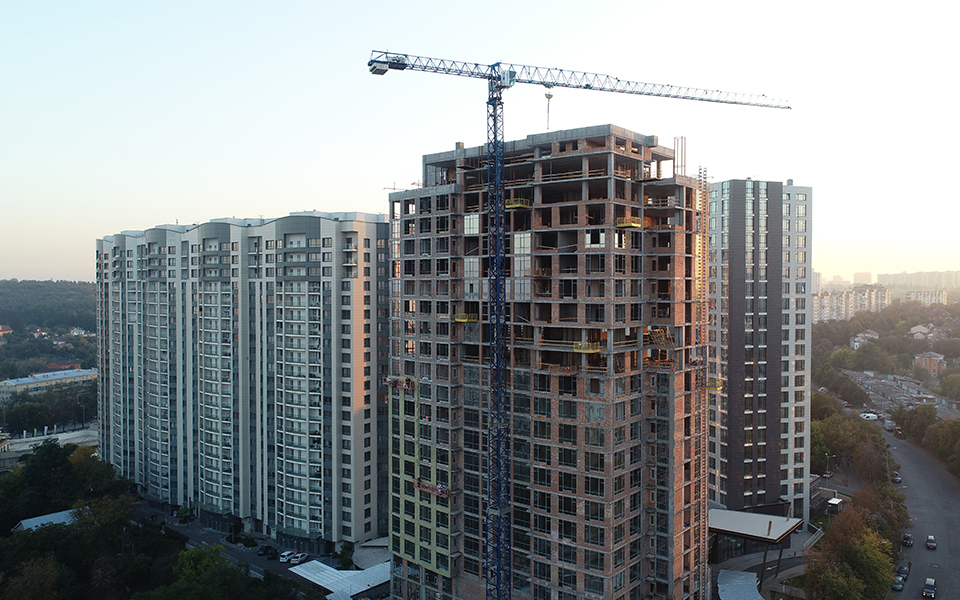
“There were two tests in Kyiv. The first took place during the Orange Revolution — November 2004 to January 2005. The second happened in 2008, when the global financial crisis shut down all the real estate development in Kyiv. We worked straight through the first test; stopped for two months to retrench in response to the second. Then restarted the project while all the other cranes stood still with the slogan: We Continue to Build and Sell. A successful decision.”
The revolutions came and went. The cranes kept turning.
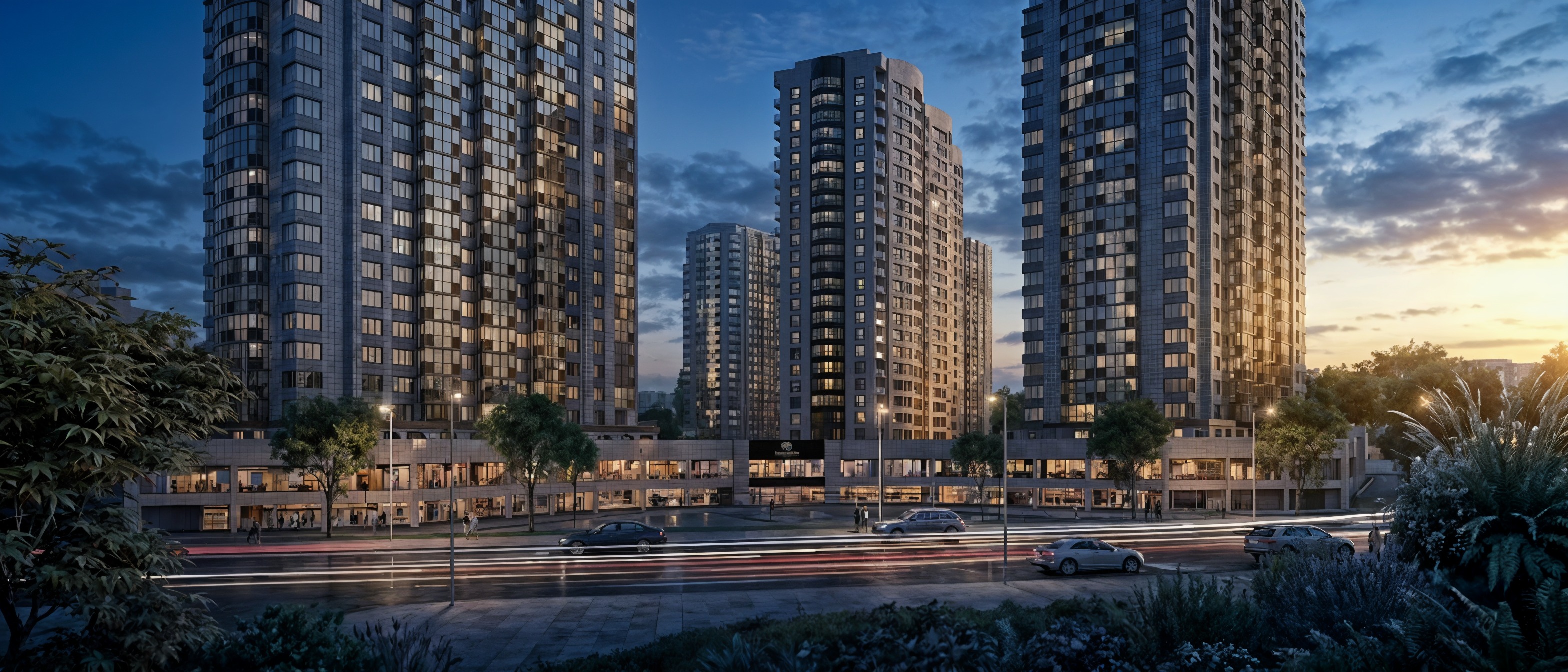
From the structure going up to the completed Park Avenue towers — the perimeter-block scheme realized on the site.
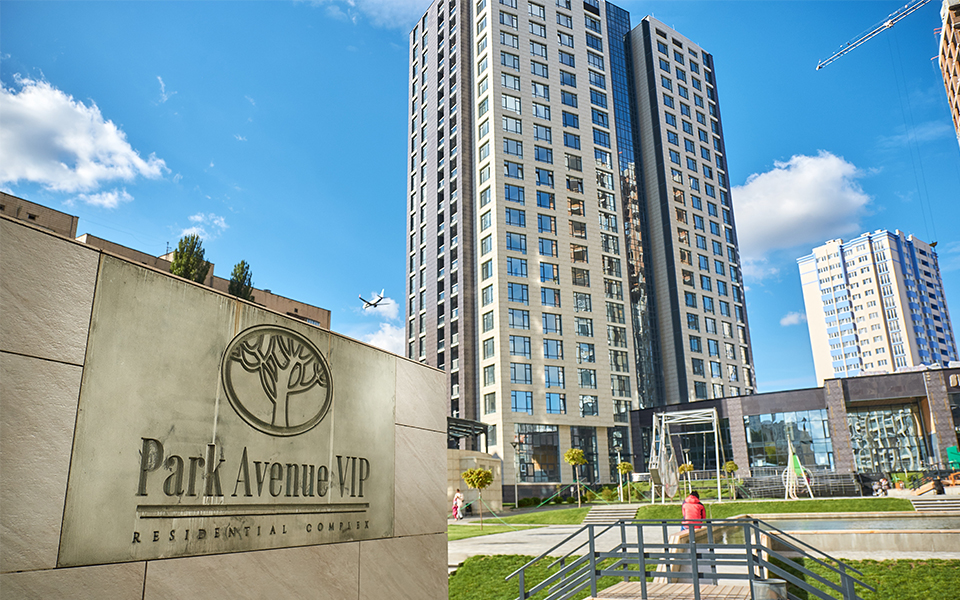
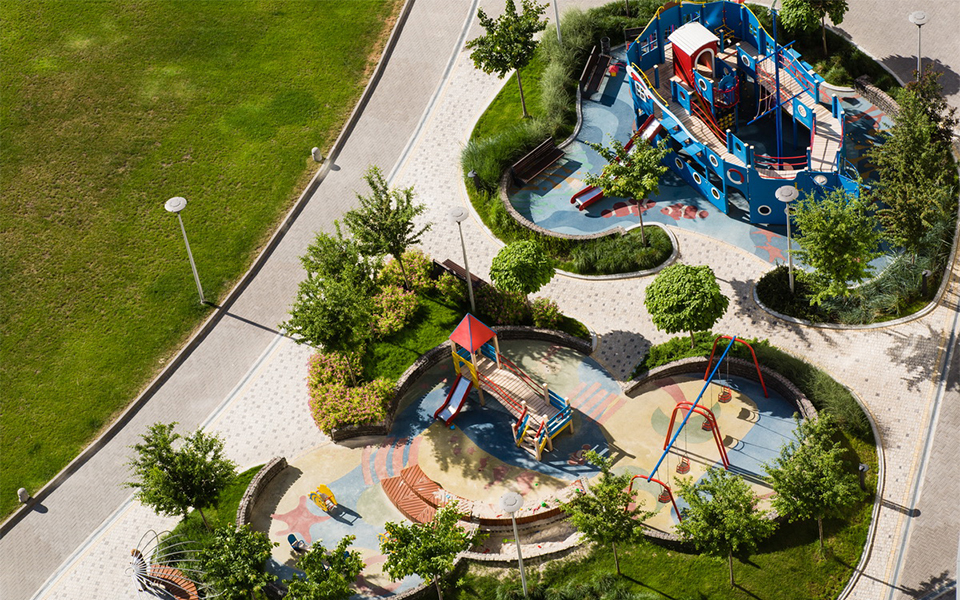
A new company, a new territory, a 1,200-unit masterplan whose first phase delivered through a revolution and a crash.
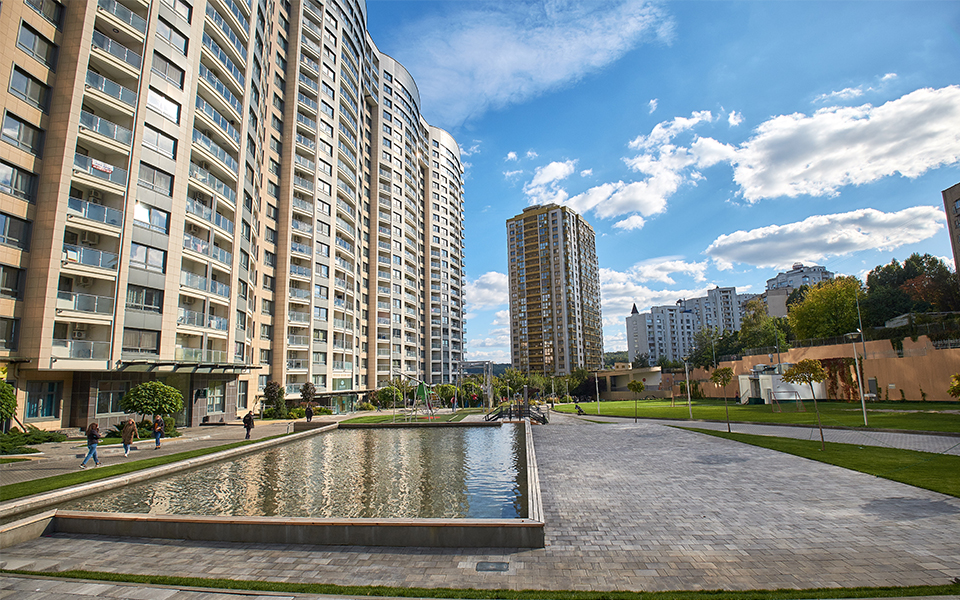
From a 3.96-hectare abandoned parcel to 1,200 luxury units — held through a revolution and a crash.